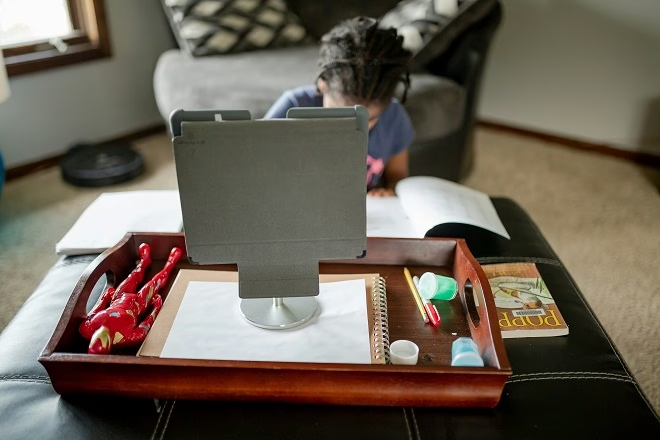
What is a Virtual School and What Are the Benefits?
What is a Virtual School – Education has evolved far beyond the traditional classroom. Over the past decade, and especially in recent years, virtual schools have grown rapidly in popularity. Whether for flexibility, safety, or personalised learning, more families are exploring online education as an alternative or complement to in-person schooling.
But what exactly is a virtual school, and how can it benefit your child? Let’s take a closer look.
What Is a Virtual School?
A virtual school (also known as an online school or e-school) is an educational institution where teaching and learning take place primarily online. Instead of attending physical classrooms, students log in from home or any location with internet access.
Virtual schools can take different forms:
- Full-time online schools where all classes are delivered digitally.
- Hybrid or blended programmes that combine online lessons with occasional in-person sessions.
- Supplementary courses that complement a traditional school schedule.
Just like traditional schools, virtual schools follow a structured curriculum, set academic standards, and provide qualified teachers, only the delivery method differs.
Key Features of a Virtual School
While every virtual school is unique, most share these core elements:
- Live and recorded lessons delivered by certified teachers.
- Digital learning platforms with interactive tools, assignments, and assessments.
- Individualised learning plans tailored to each child’s pace and needs.
- Regular feedback and communication between teachers, parents, and students.
This model allows students to engage in real-time discussions or learn asynchronously at times that suit their schedules.
The Benefits of Virtual Schooling
Virtual schooling offers a range of advantages for families seeking flexibility, personalisation, or new approaches to learning.
- Flexible Scheduling
One of the biggest draws of virtual schools is flexibility.
- Students can often choose when to complete lessons or assignments.
- Families with busy schedules, travel commitments, or unique circumstances (such as young athletes or performers) can plan schoolwork around their lives.
This freedom can make learning less stressful and more enjoyable.
- Personalised Learning
Online schools can adapt more easily to different learning styles and speeds.
- Advanced students may move quickly through subjects they excel in.
- Those who need extra support can take time to master concepts without feeling rushed.
- Teachers can provide targeted feedback and one-on-one sessions as needed.
This level of individual attention often helps students build confidence and independence.
- A Safe and Comfortable Environment
Virtual learning can provide a safe and supportive atmosphere, which is particularly valuable for:
- Children who have experienced bullying or anxiety in traditional settings.
- Students with medical needs that make daily attendance challenging.
- Families who prefer the comfort and control of home-based education.
Learning in a familiar space can boost well-being and focus.
- Access to Broader Opportunities
Virtual schools aren’t limited by geography.
- Students can enrol in specialised courses—such as advanced sciences, languages, or coding—that might not be available locally.
- They can connect with classmates from around the world, broadening cultural understanding and collaboration skills.
This global reach enriches education beyond what many brick-and-mortar schools can offer.
- Preparation for the Digital Future
Online schooling naturally builds digital literacy.
- Students become proficient with technology, online research, and virtual communication, skills essential for university, work, and life in an increasingly digital world.
They also develop self-motivation, time management, and independent learning habits that will serve them well beyond school.
Things to Consider
While virtual schools offer many benefits, they may not be right for everyone.
- Social interaction: Families may need to supplement with sports, clubs, or community activities to ensure children build friendships and social skills.
- Parental involvement: Younger students, in particular, may need supervision and encouragement to stay on track.
- Reliable technology: A stable internet connection and a quiet learning space are essential.
It’s important to evaluate your child’s personality and your family’s lifestyle to determine whether this model fits.
A virtual school is more than just learning through a screen; it’s a dynamic, flexible approach to education designed for today’s world. With benefits such as personalised learning, global opportunities, and preparation for the digital age, online schooling can be a powerful option for many families.
By carefully weighing your child’s needs, interests, and learning style, you can decide whether a virtual school is the right path to help them thrive academically and personally.

Welcome to Under 5s—a dedicated resource for families navigating the beautiful, busy whirlwind of the early years. We concentrate on real, everyday advice that families in Yorkshire and beyond can easily follow.