
Your kid’s bedroom should be a safe place to play, study, and sleep, but most parents overlook some critical safety considerations. For instance, have you tethered your kid’s wardrobe to the wall? Are there any toy boxes or beside tables your kid could hit if they fall out of bed? Of course, you can’t wrap your child in cotton wool and protect them from everything, but a few bedroom mods will go a long way. Join us below for ways to make your kid’s bedroom safer.
Top Tips to Make your Kid’s Bedroom Safer

Bed frame safety
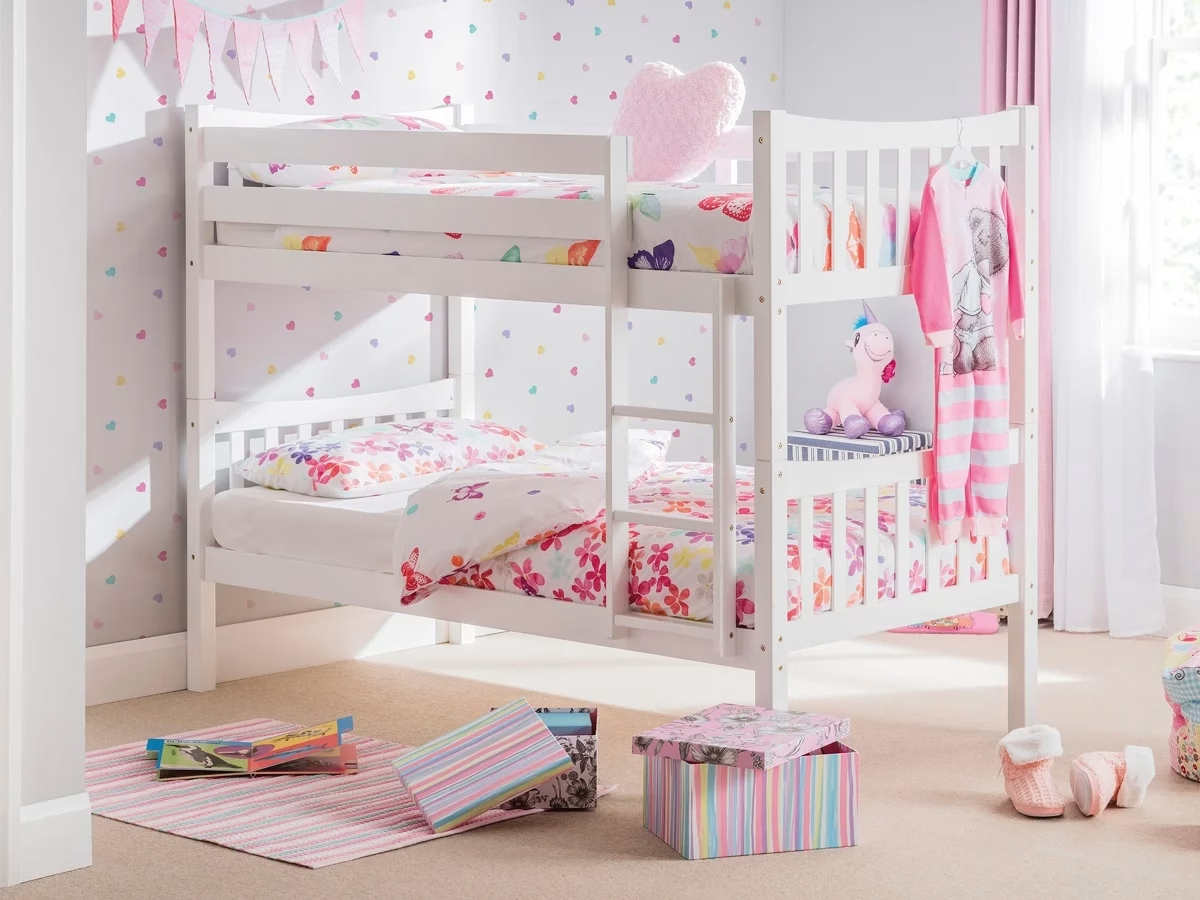
A low bed frame can make falls out of bed harmless, and a guard rail—such as those on bunk beds—can provide additional safety.
Speaking of bunk beds, they are only suitable from around age eight, and the same goes for high and mid-sleepers. Sleeping at height is dangerous, and your children need to be responsible enough to play nicely.
Also, in-built storage and how it could cause injuries should be considered. Drawers without soft-close hinges and ottoman storage can slam.

Pictured: Julian Bowen Zodiac Wooden Bunk Bed. Priced £339 (Available from Bedstar)
Mattress safety
Your kid shouldn’t jump on their bed, but let’s be honest, they’re going to anyway. One way to prevent them from jumping on their bed is to get a mattress that isn’t bouncy, such as a pure foam mattress like the Silentnight 7 Zone Memory.
Open coil mattresses are less durable than pocket spring ones, so they will likely wear out faster if your kid jumps on them. The Giltedge Beds Pillowtop Pocket 1000 is a good choice for kids’ beds as the pillowtop reduces bounce.

Pictured: Giltedge Beds Pillowtop Pocket 1000 3FT Single Mattress
Furniture safety
Your kid’s wardrobe, chest of drawers, bedside tables, and desk need to be tethered to the wall with suitable anchors to prevent them from tipping over. Doors and drawers should ideally have soft-close hinges, and any contents inside wardrobes should be secure to prevent them from tipping out.
Electrical safety
Plug sockets should be turned off when not in use, and older children should be taught not to mess around with them. Young children are more difficult to control, but early intervention and telling them off can help instil a sense of danger around sockets. Socket safety covers with clips, or keys are another option to prevent fingers from entering socket holes – but we would avoid socket inserts as they go live when the switch is flipped. This can lead to electric shocks. Water is another important thing with electrics – your children should know that liquids and electrics do not mix to prevent spills near appliances.
Tripping hazards
A messy bedroom is always unsafe, whether from tripping and landing on something sharp or standing on some LEGO.
Your kid’s bedroom should have adequate storage for toys, teddies, games, trading cards, and everything else they accumulate. Try to get your child into a routine where they clean their bedroom at the end of every day.
Falling hazards
Books on shelves and appliances on desks can hurt your child if they fall off and hit them – whether it’s on their head or feet.
Go into your kid’s bedroom, look for any shelves, desks, and worktops holding things, and see if they could hurt your child. Consider sticking appliances down with pads and using bookends on shelves to stop them from tumbling.
Window safety
You should lock your children’s windows with a key when not in use and teach them not to climb up radiators and onto windowsills. If you’re getting new windows anytime soon, child lock restrictor hooks are helpful in stopping your children from opening the window. You can also retrofit these, although these versions are visible and can look a bit cheap.

Welcome to Under 5s—a dedicated resource for families navigating the beautiful, busy whirlwind of the early years. We concentrate on real, everyday advice that families in Yorkshire and beyond can easily follow.


