

Incorporating Art in Your Child’s Development – Art plays a significant role in children’s growth, enhancing creativity, emotional expression, and cognitive skills. By incorporating various forms of art into a child’s daily routine and displaying their creations within the home, parents can help children build confidence, fine motor skills, and a lifelong appreciation for creativity. Here’s a guide to the different types of art that can foster development and some creative ways to display your child’s artwork.
The Benefits of Art for Child Development
Engaging in art helps children with more than just creativity. Art encourages problem-solving, fine motor skills, and hand-eye coordination. It allows children to communicate their feelings, explore textures and colours, and think in innovative ways. Whether it’s drawing, painting, or sculpting, art nurtures patience and focus as children work through various steps to complete a project. Displaying these artworks not only boosts children’s self-esteem but also gives them a sense of achievement, reinforcing the value of their creativity.
Different Art Forms to Encourage
Art comes in many forms, each with its unique benefits and appeal. Encouraging a variety of these can help children discover what they enjoy most and boost their development in a wide range of skills.
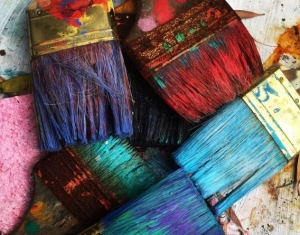
- Drawing and Painting: These are among the most accessible forms of art for young children. Through drawing, they can experiment with shapes, colours, and lines, helping with fine motor control and visual skills. Painting, especially with hands or brushes, adds a sensory experience that many children find therapeutic. Wall art is easily accessible and displayed making it a great choice to make a start with.

- Sculpture and Modelling: Working with clay, playdough, or even recycled materials allows children to create three-dimensional objects. Sculpting helps develop spatial awareness and strengthens hand muscles, which are essential for writing and other tasks. Children can let their imagination run wild, building everything from animals to abstract shapes.
- Collage and Mixed Media: Making collages from magazines, leaves, or fabric scraps encourages children to combine different textures and materials creatively. This art form teaches them how to organise and layer materials, helping develop planning and design skills.
- Photography and Digital Art: For older children, experimenting with photography or digital art can be exciting and engaging. Using a simple tablet or digital camera, children can capture moments or design artwork digitally. These activities enhance their understanding of technology and allow for the exploration of visual storytelling.
- Music and Dance: Music and dance are dynamic forms of art that support emotional expression and physical coordination and are the essence of development. Encouraging children to sing, dance, or play a simple instrument can help them explore rhythm, improve listening skills, and boost their mood.
Creative Ways to Display Your Child’s Artwork at Home And Celebrate Their Development
Displaying children’s art around the home gives them a sense of pride and accomplishment. Here are some imaginative ways to showcase their creations and development.
- Art Gallery Wall: Dedicate a wall in a communal area, like the living room or hallway, to display framed artwork. Rotate new pieces regularly to keep the display fresh, and consider using matching frames to create a professional gallery feel. Introduce famous paintings among your selection to bring the history of art alive.
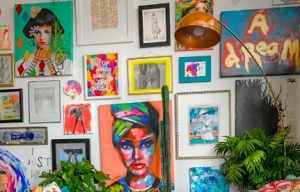
- Clipboards or String Display: For a simple, flexible display, hang clipboards or strings with clips on the wall. This approach makes it easy to swap artwork in and out, keeping up with your child’s creativity as it evolves. Using string lights as a base for clipped artwork can also add a decorative element.
- Shadow Boxes: For three-dimensional projects like sculptures or collages, shadow boxes are a fantastic option. These deep frames protect delicate items and can be hung on walls or placed on shelves, preserving more tactile pieces for years to come.
- Artwork Album or Scrapbook: Create a scrapbook or photo album for your child’s art. This approach is particularly useful for storing drawings, paintings, and other flat pieces. It can serve as a keepsake that they can look back on when they’re older, documenting their creative journey.
- Digital Slideshow: For parents who want to preserve every piece, creating a digital slideshow on a tablet or TV display is a wonderful idea. Photograph or scan each artwork then set up a rotating slideshow. This not only saves space but also provides a unique way to revisit past creations and celebrate their development.
- Personalised Gifts or Household Items: Consider printing their artwork onto items like mugs, pillows, or T-shirts. This method allows you to turn their creations into cherished everyday items, which can make children feel proud and valued as well as highlight their development.
Encouraging Lifelong Creativity
Incorporating art into your child’s life encourages more than just a pastime; it fosters a way of thinking that values creativity, patience, and self-expression. By providing a supportive environment where art is both practised and celebrated, parents can help their children’s development and nurture skills that will benefit them for life. Through diverse art forms and thoughtful displays, children are given the space to express themselves and gain confidence, helping them to thrive artistically and personally.
*collaborative post

Welcome to Under 5s—a dedicated resource for families navigating the beautiful, busy whirlwind of the early years. We concentrate on real, everyday advice that families in Yorkshire and beyond can easily follow.


