A child’s bedroom is one of the hardest-working spaces in any home. More than just a place to sleep, it serves as a creative studio, a quiet retreat, a study hub, and an imaginative play area. On average, a child’s bedroom is updated three times throughout childhood to keep pace with rapid developmental milestones.
Designing a space that evolves seamlessly from early toddlerhood to the teenage years requires balancing playful aesthetics with strict safety standards, ergonomic planning, and durable materials.
Bedroom Decoration Ideas for 2026
Whether you are seeking inspiration for boys’ bedrooms, girls’ rooms, or neutral shared layouts, these 12 design approaches combine long-term adaptability with creative charm.
1. Create a Magical Canopy or Built-In Bed Nook
Bed nooks and architectural canopies transform standard sleeping areas into cozy, private retreats while making efficient use of awkward room footprints, alcoves, or sloped ceilings.
| Bed Nook & Canopy Safety | Requirements & Specifications |
| Built-In Box Beds & Alcoves | • Custom joinery fits sloped ceilings • Integrated wall sconces & reading shelves • Requires min. 10 cm frame clearance for sheets |
| Fabric Canopies | • Must use lightweight, breathable muslin • Securely anchor to studs/frame via ribbons • Keep all drapes out of reach of infants (<36 months) |

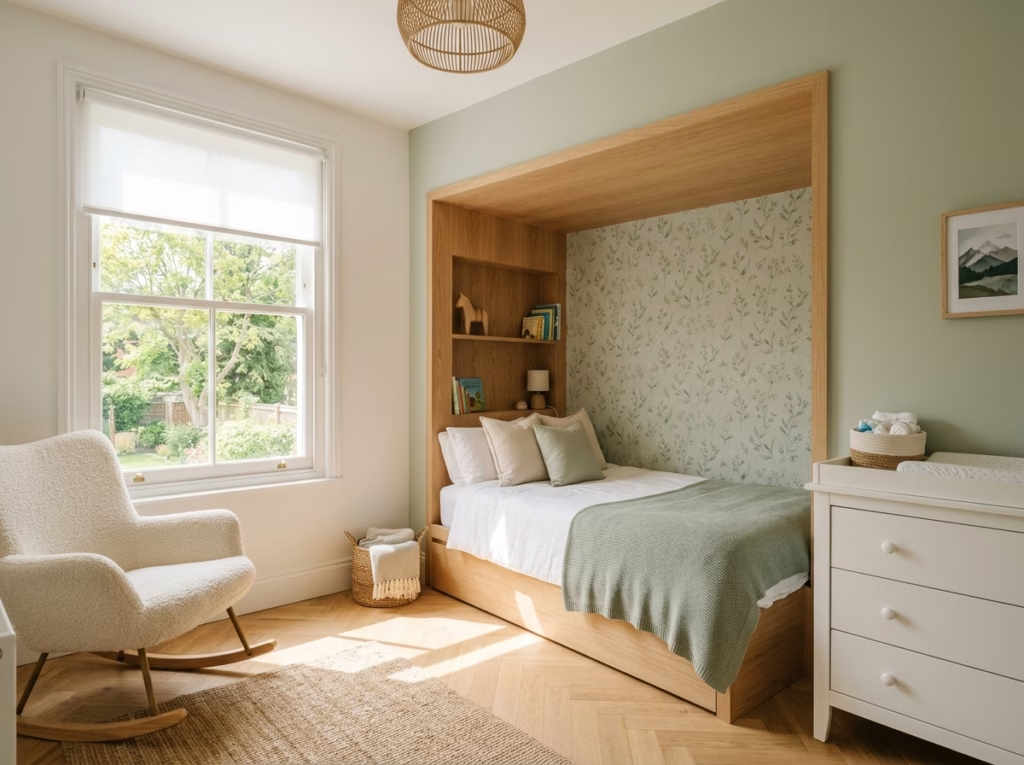
Design and Joinery Options
- Box Beds for Sloped Ceilings: Building a custom timber box bed along pitched rooflines turns dead attic space into an enchanting sleeping alcove.
- Architectural Drapes & Linings: Wallpapering or upholstering the interior walls and ceiling of an alcove nook creates an enveloping, cocoon-like atmosphere. Use breathable fabrics like organic cotton or muslin for drapes.
- Self-Contained Functionality: Incorporate a recessed wall shelf for a water glass and a book, paired with a warm, low-glare wall sconce.
Safety Warning — Infant Canopy Hazards: Never install hanging fabric canopies or long ribbons over cots or beds occupied by children under 36 months, as loose textiles pose entanglement risks in accordance with SIDS prevention guidelines.
2. Transform Walls with Low-VOC Murals and Wallpaper
Wall treatments set the creative tone of a room. In 2026, the focus shifts toward non-toxic, sustainable materials and timeless patterns that grow alongside your child.
Choosing Safe, Sustainable Wallpapers
- GREENGUARD Gold Certification: Select wallpapers and adhesives tested for low Chemical and Volatile Organic Compound (VOC) emissions to protect indoor air quality (IAQ) in sleeping areas.
- Wainscoting & Panelling Balance: Install wood panelling or tongue-and-groove wainscoting on the lower half of the wall painted in a durable, washable eggshell finish, paired with statement wallpaper above. This protects high-wear zones from scuffs while keeping patterns out of arm’s reach.
- Peel-and-Stick Flexibility: Removable, self-adhesive wallpapers allow rental tenants or parents of fast-growing children to update themes without damaging plasterwork.
3. Install Child-Safe, Light-Filtering Window Treatments
Proper window coverings regulate ambient daylight, support nighttime melatonin production, and enhance energy efficiency.
| Window Blind Safety (BS EN 13120) | Specifications & Operation |
| Cordless Spring-Loaded Rollers | • Completely eliminates hanging cords • Operates via gentle push/pull on bottom rail |
| Motorised / Electric Blinds | • Operated via wall switch or smartphone app • Zero physical loops; maximum child safety |
British Safety Standards (BS EN 13120)
All internal blinds fitted in homes with children must comply with BS EN 13120 regulations to eliminate strangulation hazards caused by looped cords:
- Cordless Mechanisms: Spring-loaded roller blinds or cellular honeycomb shades operate via tension, removing dangling cords entirely.
- Motorised Systems: Smart motorised blinds offer ultimate safety and convenience, allowing parents to set automated opening and closing schedules linked to bedtime routines.
- Blackout Cellular Shades: Honeycomb shade structures trap an insulating layer of air to regulate room temperature while offering complete light blockage for daytime naps.
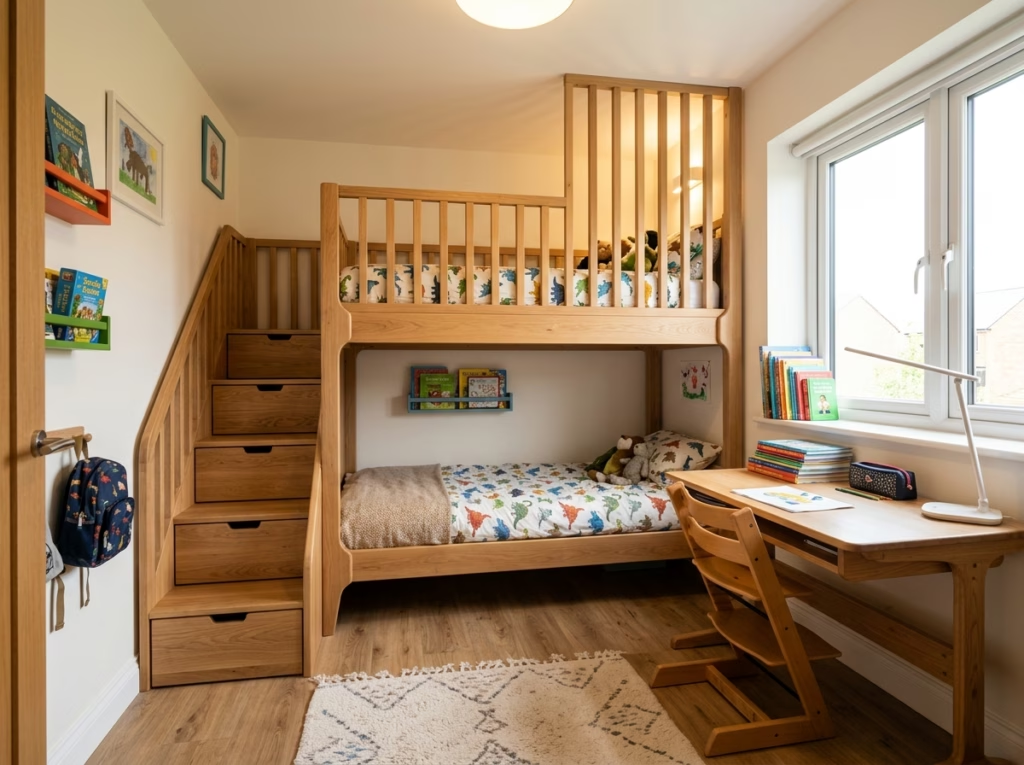
4. Install Custom Built-In Bunk Beds (BS EN 747)
Built-in bunk beds maximize vertical wall space, making them an ideal solution for shared bedrooms or compact footprints.
| Standard / Regulation | Mandatory Safety Requirement |
| Minimum Age Requirement | Strictly 6 years+ for top bunk use (BS EN 747) |
| Guardrail Elevation | Guardrails must rise at least 16 cm above mattress surface |
| Maximum Mattress Depth | Mattress depth on top bunk must not exceed 15 cm |
| Structural Anchoring | Frame must anchor directly into solid wall studs or masonry |
Structural & Layout Configurations
- L-Shaped & Loft Beds: Positioning the lower mattress perpendicular to the top bunk creates space underneath for a dedicated study desk or reading armchair.
- Staircase Storage Steps: Replace traditional vertical ladders with wide, non-slip timber staircases featuring integrated storage drawers inside each step.
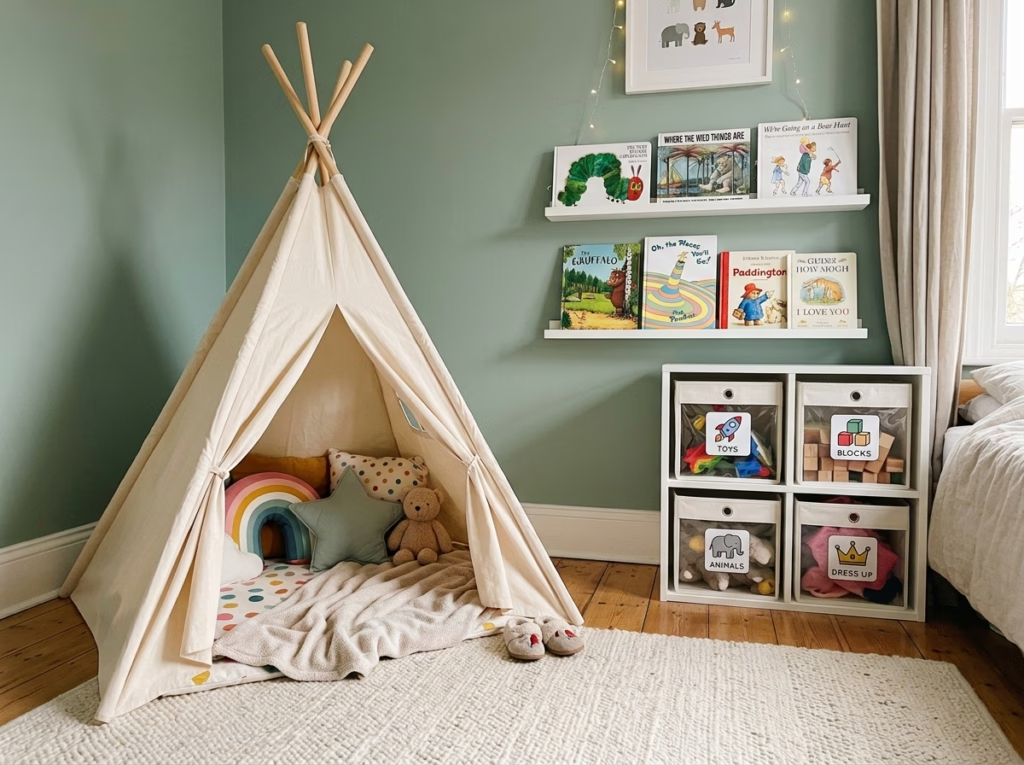
5. Create Adventure Zones with Portable Play Tents
Play teepees and pop-up tents establish designated zones for imaginative play, quiet reading, and sensory decompression.
- Natural Materials: Choose play tents constructed from 100% unbleached organic cotton canvas supported by smooth, FSC-certified beech wood poles.
- Floor Protection: Ensure tent legs feature non-slip rubber stoppers to protect timber flooring and prevent tipping during active play.
- Corner Positioning: Tuck play tents into room corners to establish a cozy den without obstructing primary walking routes.
6. Decorate Ceilings for Nighttime Wonder
The ceiling—often called the fifth wall—is the primary surface a child views when lying in bed. Decorating overhead spaces provides soothing visual interest during wind-down routines.
- Celestial Glow-in-the-Dark Designs: Apply non-toxic, flush ceiling decals depicting realistic constellations that emit a gentle glow after dark, acting as a subtle nightlight.
- Paper Lanterns & Kites: Hang lightweight, non-flammable paper globes or fabric kites high above eye level using flush ceiling hooks. Ensure all suspended decor is positioned safely away from light fittings and bunk beds.
7. Design an Ergonomic Reading Nook
Dedicated reading corners foster early literacy and provide a quiet refuge for relaxation.
| Reading Nook Essentials | Key Nook Elements |
| Seating & Comfort | • Window seat cushion or plush beanbag • Layered washable wool throws & cushions |
| Lighting & Display | • Adjustable, warm LED reading light (2700K) • Low-level forward-facing book ledges |
Key Nook Elements
- Low-Level Book Ledges: Mount shallow picture ledges low on the wall so toddlers and young children can see book covers face-forward, encouraging independent selection.
- Ergonomic Support: Combine structured floor cushions, plush armchairs, or padded window seats with supportive lumbar pillows.
- Task Lighting: Install an adjustable wall-mounted LED reading lamp emitting a warm 2,700 K glow to prevent eyestrain without disrupting night-time sleep cycles.
8. Implement Child-Centric, Accessible Storage
Clutter can create visual overstimulation that interferes with rest. Child-accessible storage systems teach kids to take ownership of tidying their space.
- The 12-Toy Rotation Rule: Child development studies show that children play more creatively when presented with fewer options. Keep roughly 12 active toys accessible at a time in low-level bins, storing the rest out of sight and rotating them fortnightly.
- Visual & Picture Labels: Label storage bins with clear icon stickers alongside text to help pre-readers identify where building blocks, craft supplies, and soft toys belong.
- Modular Cube Storage: Low-slung cube units (such as the IKEA Kallax range) allow toddlers to reach bins independently and can be reconfigured vertically as the child grows.
9. Choose Future-Proof, Transition-Friendly Colour Schemes
Wall paint forms the visual foundation of the room. Neutral or low-saturation shades offer long-term adaptability as tastes change.
| Life Stage | Wall Colour Recommendation | Psychological Benefit |
| Nursery / Toddler | Sage Green, Soft Slate, Taupe | Low sensory noise, restful atmosphere |
| Primary (5–11 yrs) | Warm Cream or Light Duck-Egg | Flexible backdrop for bold artwork |
| Teen (12+ yrs) | Architectural Grey, Muted Terracotta | Sophisticated, grounding, personal |
Design Tip: Keep primary wall surfaces neutral, introducing vibrant trend colours through easily swappable bedding, rugs, and wall art.
10. Incorporate Personalised Wall Art and Decals
Personalized artwork and removable wall stickers let children express their evolving interests without requiring permanent updates.
- Fabric Wall Decals: Made from woven polyester fabric, these mess-free stickers can be repositioned multiple times without peeling paint or leaving sticky residue.
- Magnetic Display Strips & Cable Clips: Install stainless steel wire clips or magnetic strips along one wall to display school artwork, certificates, and painting projects easily.
- Curing Time Warning: Allow fresh wall paint to cure for at least 3 to 4 weeks before applying self-adhesive vinyl or fabric wall decals to ensure proper adhesion.
11. Establish Distinct Zones for Sleep, Play, and Study
Creating clear psychological boundaries between rest, activity, and study helps children transition smoothly between different parts of their day.
| Spatial Zoning Plan | Layout & Design Specifications |
| Sleep & Recovery Zone | • Bed positioned out of line-of-sight from desk • Shielded from toy clutter & screens |
| Study & Activity Zone | • Desk near natural window light • Organized vertical storage & task lighting |
- Line-of-Sight Management: Position study desks so that computers, books, and schoolwork are out of direct view from the bed, helping the brain associate the sleeping area strictly with rest.
- Acoustic & Visual Dividers: Use open-backed shelving units, ceiling-mounted sheer tracks, or textured area rugs to define distinct zones within shared bedrooms.

12. Prioritise Biophilic and Sustainable Materials
Incorporating natural materials supports a healthier indoor environment and encourages environmental awareness from an early age.
- Natural Fibres: Choose organic cotton, washed linen, wool, and bamboo for bedding, drapes, and rugs. These fabrics are naturally hypoallergenic, highly breathable, and free from synthetic flame retardants.
- Solid Timber & Non-Toxic Finishes: Select furniture constructed from FSC-certified solid wood, treated with natural linseed oils, plant-based waxes, or water-based, non-toxic paints.
Summary Comparison Table
| Decoration Idea | Primary Benefit | Key Safety / Compliance Rule | Target Age Range |
| 1. Bed Nooks & Canopies | Maximises spatial alcoves | No dangling cords/fabrics <3 yrs | Toddler to Teen |
| 2. Low-VOC Wallpapers | Healthy indoor air | GREENGUARD Gold certified | All Ages |
| 3. Child-Safe Blinds | Light & thermal control | BS EN 13120 cordless compliance | Nursery to Teen |
| 4. Built-In Bunk Beds | Vertical space efficiency | BS EN 747 (Top bunk 6 yrs+ only) | 6+ years (top), Toddler (bottom) |
| 5. Play Teepees | Imaginative play zone | Non-slip feet; sturdy wood frame | 1–8 years |
| 6. Ceiling Styling | Soothing visual focus | Non-flammable; secure anchor fittings | All Ages |
| 7. Ergonomic Reading Nooks | Literacy & quiet rest | Low-level forward-facing ledges | 2–12 years |
| 8. Accessible Storage | Encourages tidying | Wall-anchor heavy units to studs | All Ages |
| 9. Neutral Paint Bases | Long-term longevity | Low-VOC, washable eggshell finish | Nursery to Teen |
| 10. Wall Decals & Art | Flexible self-expression | Allow 3–4 weeks paint cure time | 2–12 years |
| 11. Functional Zoning | Circadian sleep hygiene | Keep study tech away from bed | 5+ years |
| 12. Biophilic Elements | Non-toxic sustainability | FSC-certified timber; natural fibre | All Ages |
Conclusion: Building an Adaptable Haven
Creating an inspiring children’s bedroom is a gradual, rewarding process. By prioritizing safety compliance (BS EN standards), selecting non-toxic materials, and designing with long-term flexibility in mind, you can curate a functional space that grows alongside your child.
Start small: establish a child-height reading nook, switch window treatments to a cordless blackout option, or clear visual clutter using accessible storage bins. With thoughtful planning, your child’s bedroom can remain a safe, peaceful sanctuary for rest, learning, and play for years to come.


Welcome to Under 5s—a dedicated resource for families navigating the beautiful, busy whirlwind of the early years. We concentrate on real, everyday advice that families in Yorkshire and beyond can easily follow.